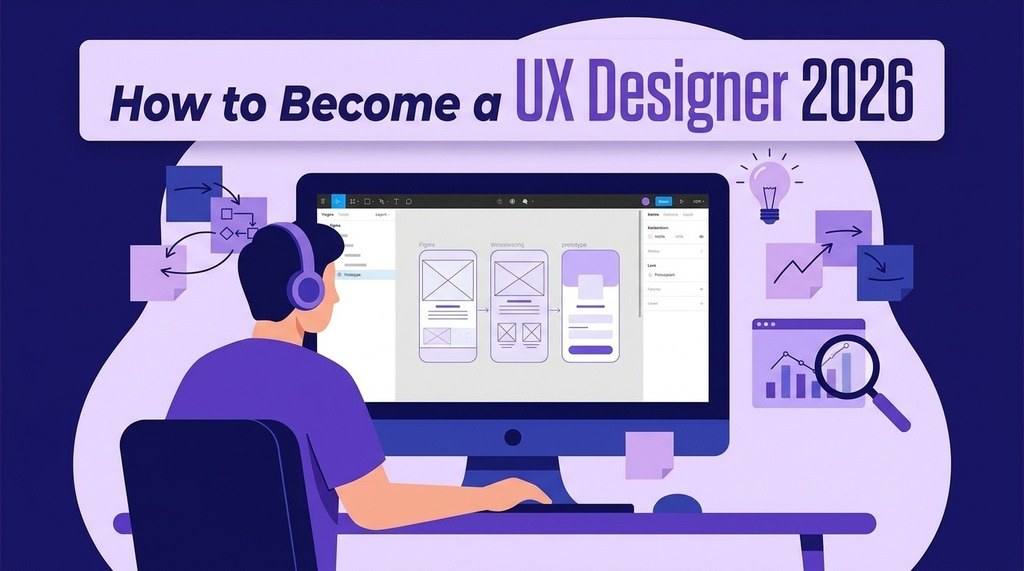
UX (User Experience) design is one of the most accessible and rewarding tech-adjacent careers available in 2026. It does not require a traditional computer science degree, it pays extremely well, and the work directly shapes how millions of people interact with digital products every day. Here is your complete guide to breaking in.
What UX Designers Actually Do
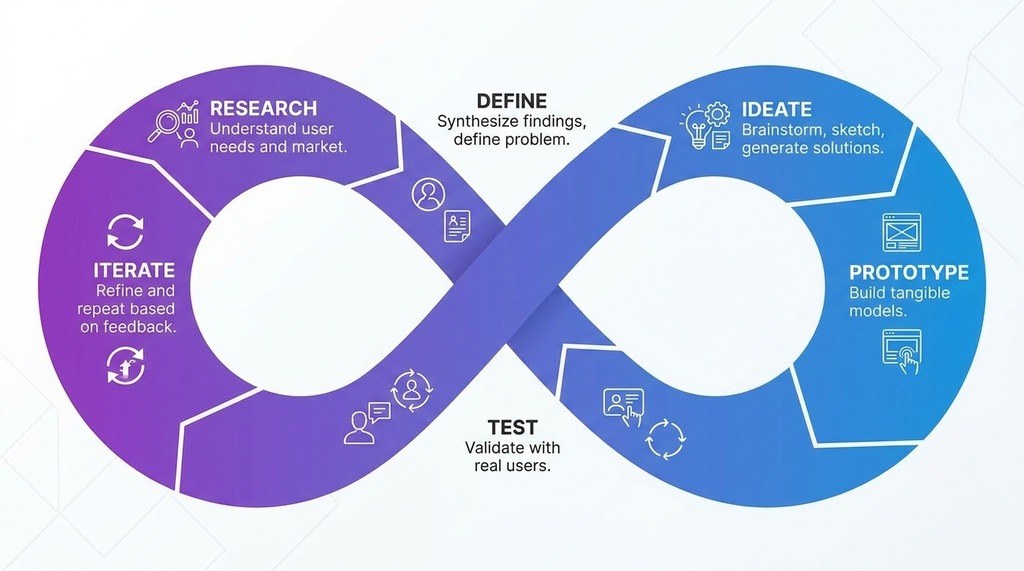
UX designers research how users interact with products, identify pain points, and design solutions that are intuitive, accessible, and delightful to use. Core activities include:
- User research (interviews, surveys, usability testing)
- Creating user personas and journey maps
- Wireframing and prototyping in tools like Figma
- Conducting usability tests and iterating based on findings
- Collaborating with product managers and developers
- Designing accessible, responsive interfaces
Skills You Need to Become a UX Designer
Hard Skills
- Figma — The industry standard design and prototyping tool
- User research methods (interviews, surveys, card sorting, A/B testing)
- Wireframing and information architecture
- Accessibility standards (WCAG guidelines)
- Basic understanding of HTML/CSS (not required, but valuable for developer collaboration)
- Data analysis and usability metrics
Soft Skills
- Empathy — genuinely understanding user needs
- Curiosity — always asking “why do users do this?”
- Communication — presenting design decisions to non-designers
- Collaboration — working closely with developers and product managers
How to Learn UX Design in 2026
- Google UX Design Certificate (Coursera) — 6-month program, widely recognized, affordable. The most recommended starting point for beginners.
- Interaction Design Foundation — Comprehensive, affordable courses on all aspects of UX
- CareerFoundry / Springboard UX Bootcamps — Intensive programs with mentorship and job guarantees
- Figma Community — Free templates, tutorials, and community resources
- Nielsen Norman Group — The gold standard for UX research and methodology resources
Building Your UX Portfolio
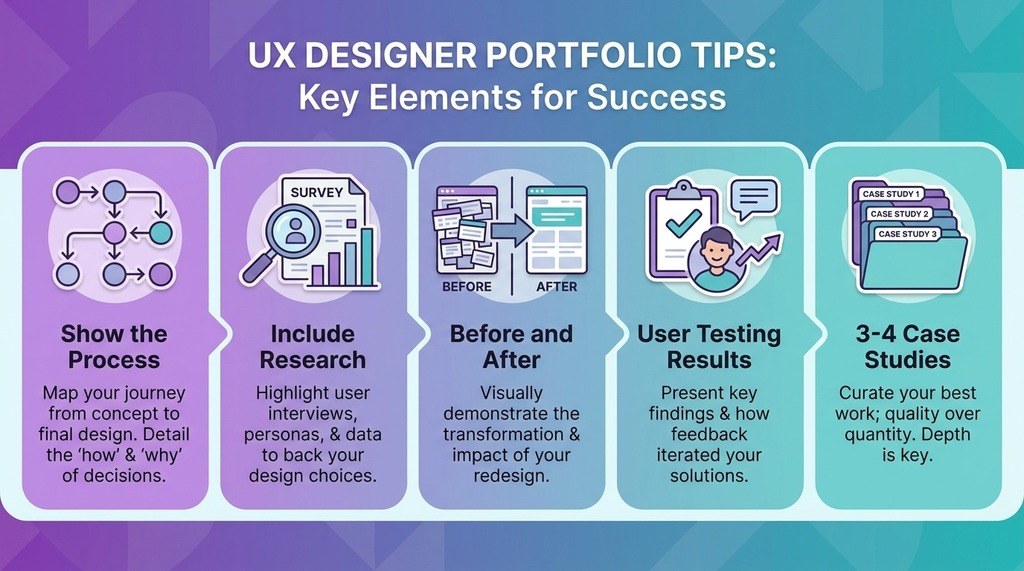
A portfolio is the single most important job search tool for UX designers — far more important than your resume. Each case study should show:
- The problem you were solving
- Your research process and key findings
- How your design decisions addressed the findings
- The final design with before/after comparisons
- Measurable outcomes if available
Aim for 3–4 polished case studies. Quality always beats quantity. If you lack real client work, create redesign challenges of existing apps or design solutions for made-up user problems.
UX Designer Salaries in 2026
- Junior UX Designer: $60,000 – $90,000
- Mid-Level UX Designer: $90,000 – $130,000
- Senior UX Designer: $130,000 – $180,000
- UX Lead / Principal Designer: $170,000 – $230,000+
Conclusion
UX design is one of the most human-centered career paths in tech — you spend your days figuring out how to make people’s lives easier through better designed digital experiences. With strong self-directed learning options, an accessible toolkit (Figma is free), and a portfolio-driven hiring process, it is one of the most accessible high-paying tech careers for career changers and first-timers alike.